2026-09-23 · Grant Aldridge
Tank vs Tankless Water Heaters for Texas Homes
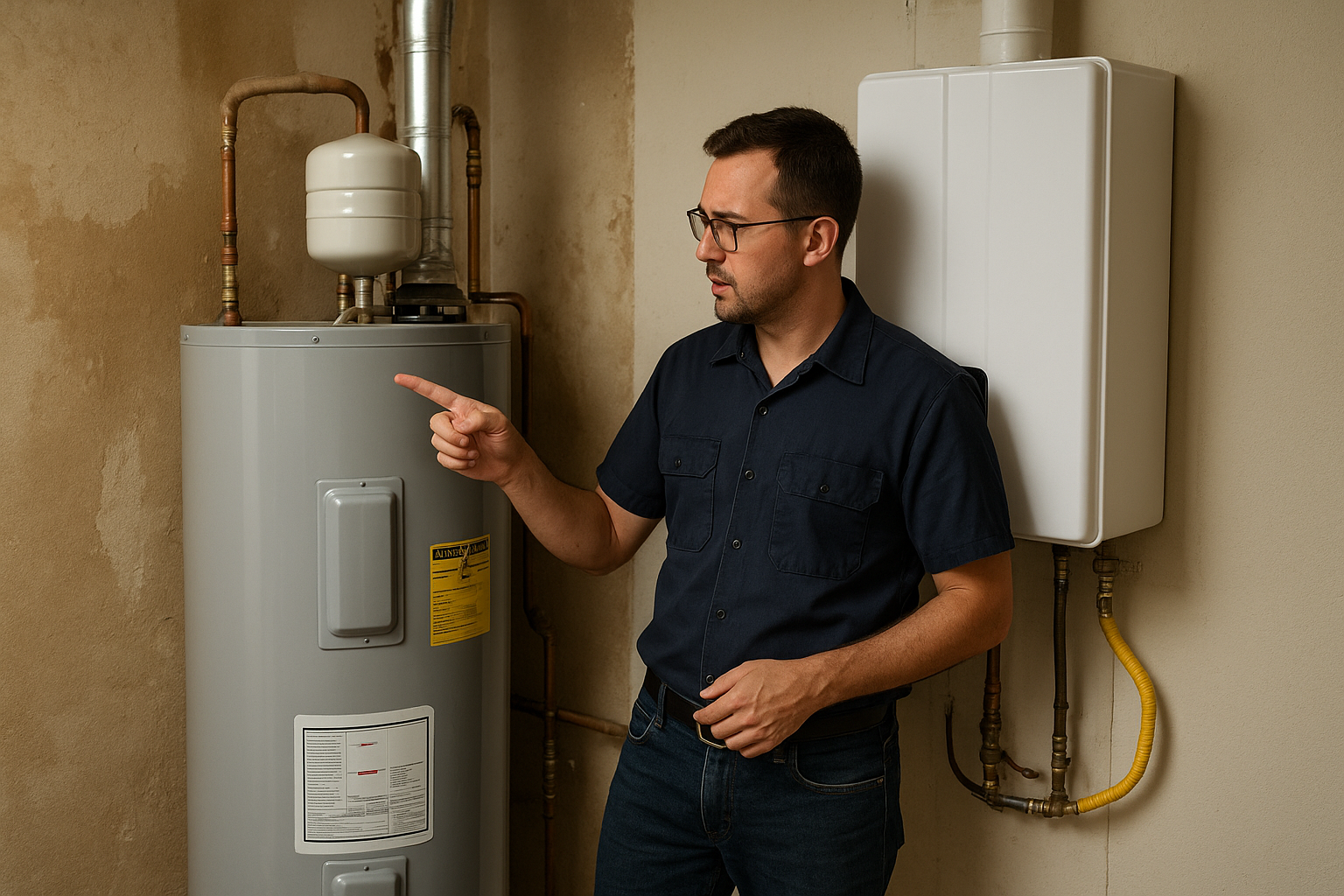
Tank water heaters remain the practical choice for most Houston homes because they cost less to install initially and handle the city's variable daily usage without requiring major electrical upgrades, though tankless units deliver better efficiency over time in high-demand households.
Upfront Costs and Long-Term Value
Houston homeowners replacing units in Midtown or Downtown often face tight mechanical rooms where a standard 40-gallon or 50-gallon tank fits existing connections for $800–$1,500 in parts and labor. Tankless models require new gas lines or larger electrical service in many pre-1980 Heights properties, pushing installed prices to $2,000–$4,000. Over ten years the higher efficiency of tankless units can offset part of that gap when natural gas rates stay elevated, yet the initial outlay still leads most Katy and Sugar Land families to stay with tank replacements unless they plan major renovations.
Lifespan Differences in Houston's Climate
Subtropical heat and humidity accelerate corrosion on tank exteriors and anode rods, so traditional units in Pearland and Sugar Land typically reach 8–12 years before leaking. Tankless heat exchangers resist sediment buildup better and commonly last 15–20 years when serviced annually. Mild winters reduce freeze risk but do not eliminate scale from the region's hard water, which shortens both types if left unchecked; see the details in Why Texas Hard Water Wears Out Water Heaters Faster.
Performance During Peak Summer Demand
Houston summers push water heaters hard when families run multiple showers and laundry loads while outdoor temperatures exceed 90°F. A tank unit in a River Oaks home can run out of hot water during back-to-back use, while a properly sized tankless unit maintains steady temperature without reheating a full reservoir. In older Montrose bungalows with smaller service panels, electric tankless models may trip breakers unless the home already has 200-amp service, so gas tankless remains the more common upgrade path.
Maintenance Needs for Harris County Homes
Annual flushing removes mineral scale that builds faster in Houston's water than in drier Texas regions, extending tank life by several years. Tankless units need periodic descaling of the heat exchanger, especially in neighborhoods drawing from older municipal lines. Homeowners who notice inconsistent temperatures or strange noises should review Signs Your Texas Water Heater Needs Repair or Replacement before deciding between repair and full replacement.
Installation Realities in Established Neighborhoods
Plumbers working in the Heights and Midtown frequently encounter narrow crawl spaces and outdated venting that favor straightforward tank swaps over tankless retrofits. Newer construction in League City or Atascocita more readily accepts tankless because builders already ran larger gas lines. When a tankless unit is chosen, routing condensate drains and ensuring proper combustion air become critical steps that add time to the job compared with setting a tank in place.
Choosing the Right System for Your Property
Review your home's age, number of bathrooms, and existing fuel source before deciding. Properties in Downtown high-rises often stay with electric tanks due to venting restrictions, while single-family homes in Montrose or River Oaks gain the most from tankless when two or more bathrooms see simultaneous use. A site visit confirms whether the current setup can support either option without expensive electrical or gas upgrades.